
Rigid Boxes vs. Folding Cartons: Which Is Right for Your Product?
A detailed comparison of rigid boxes and folding cartons — costs, use cases, and what works best in the UAE market.

Key Takeaways
- •Rigid boxes: 2-3mm thick, premium feel, MOQ 500 units, AED 8-25/unit
- •Folding cartons: 0.3-0.8mm, flat-shipped, MOQ 1000 units, AED 1-5/unit
- •E-commerce fulfillment projected to top $9.2B in 2026 — driving corrugated demand
- •Hybrid approach: rigid for premium lines, folding for everyday products
What Are Rigid Boxes?
Rigid boxes—also called set-up boxes—are constructed from thick, dense chipboard that is typically 2–3 mm in thickness. Unlike folding cartons, they arrive fully assembled from the factory and ship in their formed state. The chipboard core is wrapped in printed paper, fabric, or specialty materials, producing the sturdy, premium feel that luxury consumers expect.
Think of the box your latest smartphone came in, a high-end perfume package, or a luxury watch case. These are all rigid boxes. They are the gold standard for premium product packaging worldwide, and they dominate high-end retail across Dubai, Abu Dhabi, and the wider Gulf region.

A rigid box with wrapped finish—note the thick chipboard walls that give this format its signature structural strength.
What Are Folding Cartons?
Folding cartons are made from a single sheet of paperboard, typically between 0.3 mm and 0.8 mm thick. They are die-cut, printed, and shipped flat, then folded and glued into shape at the point of packing. This flat-shipping characteristic is one of their biggest logistical advantages—a pallet of flat cartons holds vastly more units than the same pallet loaded with assembled rigid boxes.
You encounter folding cartons every day: cereal boxes, cosmetic product packaging, pharmaceutical cartons, and food-grade containers. They are the workhorses of the packaging industry, handling the vast majority of retail packaging needs across all sectors and all price points.
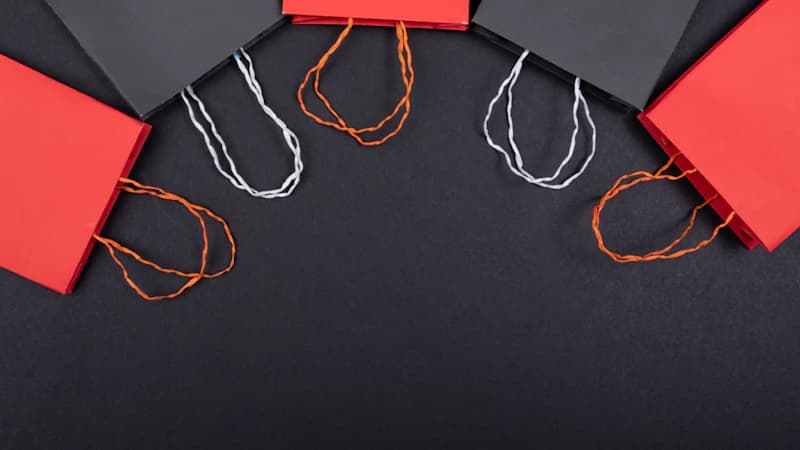
Folding cartons ship flat and are assembled on-site—dramatically reducing storage and shipping costs.
Key Differences
The following table summarizes the core differences between the two formats. Each factor can tip the decision depending on your product, volume, and brand positioning.
| Feature | Rigid Boxes | Folding Cartons |
|---|---|---|
| Thickness | 2–3 mm chipboard | 0.3–0.8 mm paperboard |
| Shipping | Fully assembled | Flat, folded on-site |
| Assembly | Factory-assembled | Assembled at packing line |
| Perceived Value | Premium / Luxury | Standard / Mid-range |
| Unit Cost | AED 8–25 | AED 1–5 |
| MOQ | Typically 500+ | As low as 200–300 |
| Durability | Excellent—resists crushing | Good—adequate for most products |
| Customization | Highly customizable (wraps, inserts, closures) | Very customizable (print, coatings, die-cuts) |
When to Choose Each
The right format depends on your product, audience, and commercial model. Here is a practical guide.
$9.2B
Projected e-commerce fulfillment spend in 2026 — driving demand for cost-efficient packaging
AED 8-25
Per-unit cost range for rigid boxes (1,000 units)
AED 1-5
Per-unit cost range for folding cartons (1,000 units)
Choose rigid boxes when…
- •Luxury positioning is essential: Perfumes, watches, jewelry, high-end electronics, and designer goods. In Dubai's luxury retail scene, a rigid box is practically expected.
- •Gift packaging dominates your sales: The UAE gift market is enormous, driven by Eid, Ramadan, weddings, and corporate gifting. Rigid boxes create a memorable gifting experience.
- •Retail price exceeds AED 200: Products at this price point generally justify the investment in premium structural packaging.
- •Fragile or heavy items need protection: The thick chipboard construction provides superior cushioning and crush resistance.
- •Limited editions or subscription boxes: Special releases and premium subscriptions benefit from the keepsake quality of rigid packaging.
Choose folding cartons when…
- •Volume and speed matter: FMCG products—food, beverages, personal care—where tens of thousands of units ship every month.
- •Shelf presence is the priority: Products that need to stand out in supermarkets and pharmacies across the UAE, where print quality and color accuracy drive purchase decisions.
- •Budget is a constraint: Startups and small brands that need professional, branded packaging without a luxury-tier investment.
- •E-commerce fulfillment at scale: Lightweight, space-efficient packaging that reduces shipping costs—critical as UAE e-commerce fulfillment spend approaches $9.2B in 2026.
- •Sustainability is a brand pillar: Folding cartons from recycled stock are easier to certify as eco-friendly and simpler to recycle at end of life.
Cost Comparison for UAE Market
Cost is often the deciding factor. The table below gives a realistic breakdown for orders of 1,000 units in the UAE market, including typical finishing options.
| Cost Factor | Rigid Box | Folding Carton |
|---|---|---|
| Base unit cost | AED 8–15 | AED 1–3 |
| Premium finishes (foil, emboss, soft-touch) | +AED 3–10 | +AED 0.50–2 |
| Custom inserts (foam, EVA, satin) | +AED 2–8 | +AED 0.30–1 |
| Shipping per unit (within UAE) | AED 1–3 (bulky) | AED 0.10–0.50 (flat) |
| Total per unit (mid-range finish) | AED 14–25 | AED 2–5 |
While rigid boxes cost 3–5x more per unit, they deliver a return on investment through higher perceived value, stronger brand recall, and the ability to command premium pricing. For many luxury brands in the UAE, the packaging cost is a fraction of the product's retail price and well worth the investment.
The Hybrid Approach
Many successful UAE brands do not pick one format exclusively. Instead, they deploy a hybrid strategy that matches packaging to product tier, season, and channel.
- •Tiered product lines: Rigid boxes for hero SKUs, folding cartons for everyday products—a cosmetics brand might package its signature serum in a rigid box while using folding cartons for cleansers and toners.
- •Seasonal upgrades: Switch to rigid for Ramadan gift sets, Eid collections, and holiday limited editions while maintaining folding cartons for standard retail.
- •Collapsible rigid boxes: A middle ground offering the premium look of rigid with the flat-shipping convenience of folding cartons. Increasingly popular with UAE brands optimizing logistics costs.
- •Outer + inner packaging: Use a folding carton as inner product packaging and a rigid box as a premium outer gift box for the same product.
💡 Key Insight
The tiered packaging strategy
UAE Market Considerations
The UAE packaging market has characteristics that should directly influence your format decision. Local conditions matter more than generic global advice.
- •Climate resilience: Summer temperatures routinely exceed 45°C with high humidity. Rigid boxes with proper lamination hold up better in heat, while folding cartons may need additional moisture-barrier coatings to prevent warping.
- •Gifting culture: The Middle Eastern tradition of generous gifting drives year-round demand for premium rigid packaging. During Ramadan, Eid, and National Day, rigid box demand can surge 30–40% above baseline.
- •E-commerce growth: With UAE e-commerce fulfillment spend projected at $9.2B in 2026, many brands need packaging that performs in transit. Folding cartons inside corrugated mailers are becoming the default cost-efficient combination for D2C brands.
- •Luxury market density: Dubai and Abu Dhabi are global luxury retail hubs. Brands competing in these markets often find that rigid boxes are table stakes, not a differentiator.
- •Sustainability expectations: UAE consumers and regulators are increasingly environmentally conscious. Folding cartons have a natural advantage in recyclability, but rigid boxes made from recycled materials and mono-material construction are closing the gap.
🌡️ UAE Climate Tip
Packaging in extreme heat
Not Sure Which Format Is Right for You?
Our team can evaluate your product, volume, and brand goals to recommend the best packaging solution. Free samples available.
Habllen Team
Packaging Experts
Related Articles

The Complete Guide to Custom Packaging in UAE
Everything you need to know about materials, design, MOQs, and ordering custom packaging for the UAE market in 2026.
March 15, 2026

Luxury Packaging Trends in 2026: What UAE Brands Need to Know
From smart NFC packaging to handwritten lettering — the trends shaping premium packaging in the Middle East.
March 10, 2026
10 Jewelry Packaging Ideas That Elevate Your Brand
From velvet-lined rigid boxes to LED-lit displays — packaging ideas that make jewelry unforgettable.
February 15, 2026