
Sustainable Packaging Solutions for UAE Businesses
Navigate Dubai's expanding plastic bans and adopt eco-friendly packaging that meets 2026 regulations.
Key Takeaways
- •Dubai Phase 2 plastic ban (Jan 2025) outlaws polystyrene containers, cups, and straws
- •PLA (polylactic acid) is the leading compostable material in the UAE market
- •Single-use plastic bans expanding to cups, plates, and cutlery by 2026
- •Sustainable packaging can reduce costs 10-15% through material optimization
Why Sustainable Packaging Matters
The UAE has committed to net-zero carbon emissions by 2050, and packaging is one of the most visible battlegrounds. The country generates over 6 million tonnes of waste annually, with single-use packaging making up a significant share. For brands operating in Dubai, Abu Dhabi, and across the Gulf, the shift to sustainable packaging is no longer optional—it is regulatory, commercial, and cultural.
Consumer demand is driving the change as much as government policy. A 2025 Nielsen study found that 78% of UAE consumers are willing to pay more for products with sustainable packaging, with the figure rising above 85% among millennials and Gen Z. Retailers including Carrefour, Spinneys, and Namshi have introduced sustainability labelling programs that reward brands using eco-friendly materials.
For businesses, the incentives are clear: reduced waste disposal costs, stronger brand loyalty, alignment with government procurement preferences, and access to a growing market segment that actively seeks out responsible brands.
Dubai's Expanding Plastic Bans
Dubai has taken the most aggressive stance on single-use plastics in the region, rolling out bans in phases that directly affect packaging decisions. Phase 1 (June 2024) banned single-use plastic bags across retail. Phase 2, which took effect in January 2025, expanded the ban significantly.
📋 Compliance Note
Phase 2 ban details (January 2025)
- •Polystyrene food containers — banned for takeaway and delivery
- •Polystyrene cups — replaced by paper or PLA alternatives
- •Plastic straws and stirrers — paper, bamboo, or PLA required
- •Cups, plates, and cutlery — ban expanding to cover these by 2026
Fines for non-compliance start at AED 5,000 per violation and escalate for repeat offenders. Abu Dhabi and Sharjah are developing parallel frameworks, signalling that these restrictions will become UAE-wide within the next two years. Brands that transition now will avoid costly last-minute supply chain disruptions.
Eco-Friendly Materials
The range of commercially viable sustainable materials has expanded dramatically. Three categories dominate the UAE market in 2026: recycled paperboard, compostable polymers, and biodegradable alternatives.
Recycled Paperboard
Modern recycled paperboard uses 30–100% post-consumer waste and delivers print quality indistinguishable from virgin stock. FSC-certified options ensure responsible sourcing, while chlorine-free processing reduces chemical waste. For rigid boxes, mailer boxes, and folding cartons, recycled paperboard is the most cost-effective sustainable option.
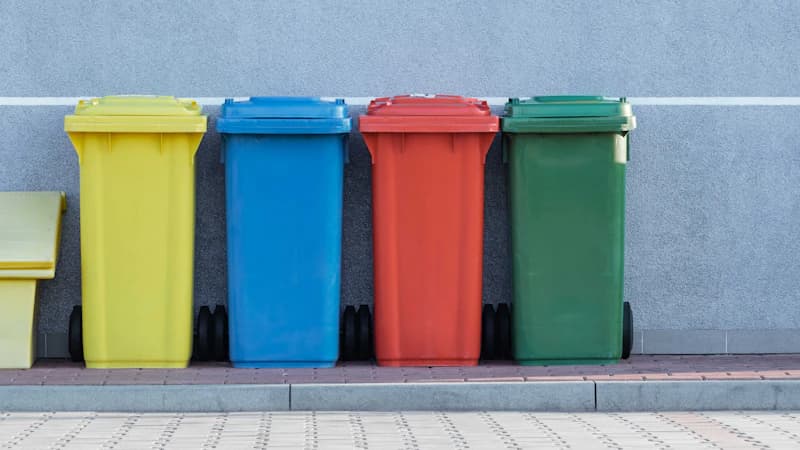
Recycled paperboard delivers premium print quality while reducing environmental impact by up to 70%.
PLA (Polylactic Acid)
PLA is the dominant compostable polymer in the UAE market, derived from fermented plant starch (typically corn or sugarcane). It breaks down in industrial composting facilities within 90 days and is widely used for food packaging liners, window patches on boxes, and protective inserts. PLA production has scaled enough to bring costs within 10–15% of conventional plastic equivalents.
Biodegradable Alternatives
Beyond PLA, brands are adopting mushroom-based packaging (grown from mycelium), seaweed-based films, and plantable seed paper. These materials work best for inner packaging, void fill, and specialty inserts where their unique properties add both functional and brand storytelling value.
$11.4B
UAE packaging market value in 2026, growing 5.23% annually
78%
of UAE consumers willing to pay more for sustainable packaging
10-15%
cost reduction achievable through sustainable material optimization
The 5 Rs of Sustainable Packaging
A practical framework for evaluating and improving your packaging sustainability. Apply these principles in order—the biggest environmental gains come from the top of the list.
- 1. ReduceMinimize material usage through smart structural design. Right-size your boxes to eliminate void fill. A 20% reduction in box dimensions can cut material costs by 15% and shipping weight proportionally.
- 2. ReuseDesign packaging with secondary life. Magnetic-closure rigid boxes become storage containers. Branded tote bags replace disposable carriers. Reusable packaging builds brand presence in the customer's home long after the purchase.
- 3. RecycleUse mono-materials wherever possible—mixed-material packaging is difficult to recycle. Avoid plastic lamination on paper. Use water-based coatings instead. Include clear recycling instructions on every box.
- 4. RenewSource materials from renewable origins. FSC-certified forests, plant-based inks, and sugarcane-derived PLA all draw from resources that replenish naturally. Renewable inputs reduce dependency on petroleum-based supply chains.
- 5. RespectConsider the full lifecycle impact. This means evaluating manufacturing energy, transportation emissions, end-of-life disposal, and the social conditions of your supply chain. Life-cycle assessments (LCAs) help quantify your true environmental footprint.
Balancing Luxury and Sustainability
A persistent misconception in the UAE market is that sustainable packaging means compromising on premium appeal. The reality in 2026 is the opposite—the best luxury packaging is sustainable by design.
- •Soft-touch lamination using water-based coatings delivers the same tactile premium feel as conventional plastic lamination
- •Soy-based metallic inks produce gold and silver finishes that rival petroleum-based alternatives
- •Embossing and debossing on recycled board creates texture and depth without additional material layers
- •Cotton and hemp ribbons replace synthetic options for closures and unboxing accents
💡 Key Insight
Sustainability as a luxury signal
UAE-Specific Considerations
The UAE's climate and logistics environment present unique challenges for sustainable packaging. Materials that perform well in temperate European markets may fail in the Gulf's extreme conditions without proper specification.
Heat Resistance
Summer temperatures in Dubai regularly exceed 45°C, with warehouse and delivery vehicle interiors reaching 60°C or higher. Standard PLA begins to soften at 55°C, making heat-modified PLA or CPLA essential for food-contact applications. Paper-based adhesives must be rated for high-temperature stability, and water-based coatings should be formulated to resist blocking (sticking together) in heat and humidity.
Humidity Protection
Coastal cities like Dubai and Abu Dhabi experience humidity above 80% for months at a time. Recycled paperboard needs adequate moisture barriers—wax coatings, aqueous barriers, or PLA liners—to prevent warping and structural failure. Store packaging materials in climate-controlled environments and specify humidity-resistant grades from your supplier.
🌡️ UAE Climate Tip
Climate-proofing your sustainable packaging
Biodegradable packaging engineered for Gulf conditions balances sustainability with the demands of extreme heat and humidity.
Beyond climate, consider local sourcing to reduce carbon footprint. UAE-based and GCC-region suppliers are expanding their sustainable material offerings, cutting lead times and transportation emissions compared to European imports.
Getting Started
Transitioning to sustainable packaging does not have to happen overnight. A phased approach reduces risk and lets you learn what works for your specific products and customers.
5-Step Implementation Guide
- 1. Audit your current packaging — Document every material, finish, and component. Identify which items are single-use plastic and prioritise those for replacement based on Dubai's ban timeline.
- 2. Set phased targets — Aim for 25% sustainable materials in the first quarter, 50% by mid-year, and 100% within 12 months. Realistic milestones prevent supply chain shock.
- 3. Test with samples — Order sample runs of sustainable alternatives and test them under real conditions: warehouse storage, delivery transit, and customer handling. Compare quality, durability, and cost.
- 4. Communicate the change — Tell your sustainability story. Add recycling instructions, QR codes linking to your environmental commitments, and clear labelling. Consumers respond to transparency.
- 5. Measure and iterate — Track waste reduction, customer feedback, return rates, and cost impact. Use data to refine material choices and design decisions over each production cycle.
Ready to Switch to Sustainable Packaging?
Work with Habllen to find eco-friendly materials that meet UAE regulations and match your brand's premium standards.
Habllen Team
Packaging Experts
Related Articles
UAE Food Packaging Regulations: A Complete Compliance Guide
Stay compliant with ESMA, Dubai Municipality, and the latest 2026 single-use plastic bans for food packaging.
February 20, 2026

The Complete Guide to Custom Packaging in UAE
Everything you need to know about materials, design, MOQs, and ordering custom packaging for the UAE market in 2026.
March 15, 2026

Luxury Packaging Trends in 2026: What UAE Brands Need to Know
From smart NFC packaging to handwritten lettering — the trends shaping premium packaging in the Middle East.
March 10, 2026