
Cosmetic Packaging Compliance in the UAE: Montaji, GSO, and the 2032 Mandate
Montaji registration, bilingual labels, INCI lists, and the 2032 recyclability rule — a 2026 field guide for cosmetic packaging launches in the UAE.
Key Takeaways
- •Montaji registration takes 22 working days from complete file; fees are AED 10 application plus AED 220 on approval
- •Every cosmetic label must be equivalent in Arabic and English — mismatch is the top rejection cause
- •UAE plastic-packaging mandate requires all rigid formats to be reusable, recyclable, or compostable by 2032
- •INCI format is compulsory — trade-name substitutions and unsupported 'clinical' claims are routine rejection reasons
USD 1.69B
MEA cosmetic packaging market in 2026 (Mordor Intelligence)
22 days
standard Dubai Municipality processing time for cosmetic registration
The Regulatory Stack You're Actually Navigating
A cosmetic sold in the UAE sits under three overlapping authorities. Dubai Municipality operates Montaji, the consumer-product registration portal. The GCC Standardization Organization (GSO) issues the technical standards — GSO 1943/2016 for product safety and GSO 2528/2016 for claims — which the UAE has largely mirrored from EU Cosmetics Regulation 1223/2009. And for anything crossing the border, ESMA (Emirates Authority for Standardization and Metrology) remains the federal umbrella.
For packaging, that means three layers of rules interacting: what the label must say, what the material can be, and how the whole pack is registered. Missing any one of them will get the product stopped at customs or refused at shelf.
📋 Compliance Note
Only UAE-licensed entities can register
Montaji Registration, Start to Finish
Dubai Municipality charges an AED 10 application fee at submission and an AED 220 fee on approval to download the registration certificate. Standard processing is 22 working days, but that clock only starts once the file is accepted as complete — incomplete artwork is the most common cause of resets.
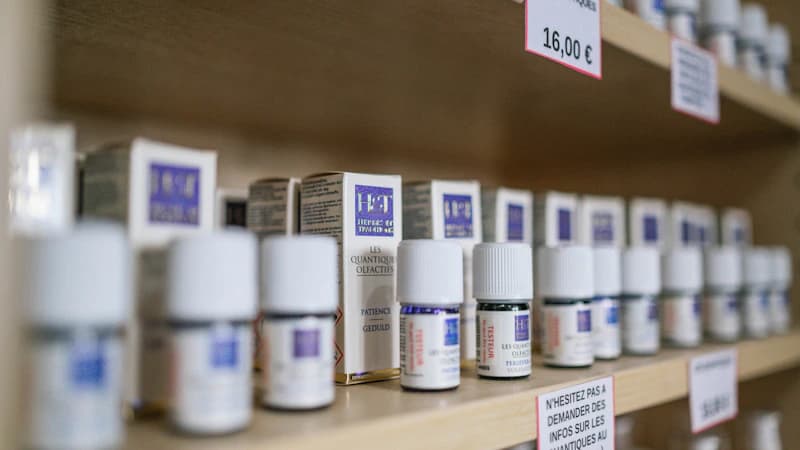
At the shelf, every exposed face of the carton is scrutinised against the Montaji-approved artwork — even a typo on a side panel can fail an audit.
What you upload to Montaji:
- •Product artwork — every face of the primary and secondary pack, flattened, high-resolution.
- •Free Sale Certificate from the country of origin, attested by the relevant ministry.
- •Certificate of Conformity / Analysis from the manufacturer, covering the full INCI ingredient list.
- •Product images — sealed pack photography that matches the approved artwork file.
Mandatory Label Elements
Every cosmetic pack sold in the UAE must carry a defined set of elements, and every one of them must appear in both Arabic and English. Incomplete or incorrect labels are the single most frequent rejection reason at Montaji.
- •Product name — identical in Arabic and English, no transliteration shortcuts.
- •Brand name / trademark with a clear hierarchy from the product name.
- •Manufacturer's name and address — not just a PO box.
- •Country of origin — “Made in” with the country spelled in full.
- •Ingredients in INCI format — International Nomenclature of Cosmetic Ingredients, which Montaji checks against its allergen tables.
- •Batch and manufacturing date plus expiry or Period-After-Opening (PAO) symbol.
- •Usage instructions and applicable warnings.
- •Net content in metric units (ml or g).
Arabic Translation Requirements
The Arabic and English label texts must be equivalent, not approximate. Montaji reviewers compare the two side-by-side and reject packs where a warning statement is present in English but absent in Arabic, or where marketing claims diverge between the two languages. Use a certified cosmetic translator, not a general agency — INCI-aware Arabic is a specialisation.
Pack dimensions often force compromises. For small tubes and ampoules, the approved workaround is a peel-off multi-layer label; on small jars, a dedicated Arabic carton is acceptable. Make the decision early — re-specifying a label stock after tooling has started is expensive.
🌡️ UAE Climate Tip
Kerning Arabic is different
The 2032 Recyclable-Plastic Mandate
The UAE has committed to making all rigid plastic packaging reusable, recyclable, or compostable by 2032, with flexible plastic following in 2035. Cosmetic bottles and jars sit squarely inside the rigid scope. Brands tooling a bottle today for a five-year run need to build the switch into the roadmap now.
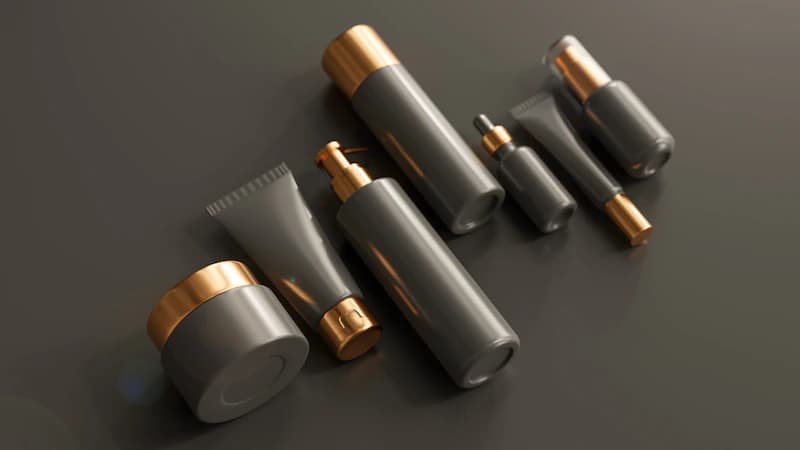
Mono-material rigid jars in single-resin PP or PET-G prepare a cosmetic line for the 2032 recyclability mandate without sacrificing perceived quality.
- •Mono-material PP or PET bottles streamline the recycling stream — avoid PVC and multi-resin laminates.
- •Refillable formats — a branded refill with a lower-cost pouch drops kg-per-unit material by roughly half.
- •Glass remains curbside-recyclable; it is heavier but exempt from the plastic rules altogether.
- •Cellulosic secondary packs — FSC cartons with water-based coatings rather than PE-lined laminates.
Compliance Checklist Before You Submit
Run this pass before the file goes to Montaji. Catching issues here is 20 days cheaper than catching them after rejection.
Pre-submission self-audit:
- •Arabic and English texts are equivalent and typeset with an Arabic-aware composer.
- •INCI list matches the supplier's Certificate of Analysis exactly — including impurity entries.
- •Country of origin is spelled in full, matches the Free Sale Certificate.
- •Expiry or PAO symbol is present and legible at final print size.
- •Claims do not exceed GSO 2528/2016 permitted language (avoid “medical” and drug-adjacent terms).
- •Artwork files are flat, high-resolution, and show every face.
The Five Most Common Rejection Reasons
- •Arabic missing from a side panel — usually the ingredients or warnings block.
- •INCI name drift — the artwork lists a trade name where an INCI name is required.
- •Unsupported claim — “clinically proven” or “dermatologist approved” without a dossier.
- •Missing manufacturer address or a PO box in place of a physical location.
- •Artwork mismatch — production file differs from the file uploaded to Montaji.
Launching a Cosmetic Line in the UAE?
Habllen builds Montaji-ready cosmetic packaging in the UAE — bilingual artwork, GSO-compliant claims, and recyclability-future-proof materials.
Habllen Team
Packaging Experts
Related Articles
UAE Food Packaging Regulations: A Complete Compliance Guide
Stay compliant with ESMA, Dubai Municipality, and the latest 2026 single-use plastic bans for food packaging.
February 20, 2026

Halal-Certified Packaging in the UAE: Materials, Suppliers, and the Hidden Haram Ingredients
Halal certification extends beyond product contents — adhesives, inks, coatings, and facility segregation all count. A 2026 field guide for UAE brands.
April 18, 2026
Sustainable Packaging Solutions for UAE Businesses
Navigate Dubai's expanding plastic bans and adopt eco-friendly packaging that meets 2026 regulations.
March 5, 2026