
Perfume Packaging in the UAE: A 2026 Brand Guide
Rigid outers, refill systems, climate-stable finishes, and Arabic calligraphy — what UAE fragrance brands actually need from their packaging in 2026.
Key Takeaways
- •UAE perfume market was USD 748.9M in 2024, on track for USD 1.72B by 2033 at 9.22% CAGR
- •Luxury accounts for 80.78% of GCC fragrance sales — rigid outers are table stakes, not an upgrade
- •Hot foil and heat-stable adhesives outperform cold foil and PSA in 50°C UAE warehouse conditions
- •Refillable bottle systems and NFC authentication are mainstream in 2026 launches, not early-adopter features
9.22%
CAGR of the UAE perfume market through 2033 (IMARC)
80.78%
of GCC fragrance sales sit in the luxury segment (Mordor Intelligence)
Why Perfume Packaging Is Its Own Discipline
The UAE is one of the most fragrance-obsessed markets on earth. Per-capita perfume spending in the Emirates is among the world's highest, and the national market was worth USD 748.9 million in 2024, on track to reach USD 1.72 billion by 2033 at a 9.22% annual growth rate. Oud-based, layered attar formulations sit alongside international designer launches in every Dubai mall and every corporate gifting brief.
Packaging a perfume is not the same as packaging any other luxury good. The bottle is fragile, often high-value, and the scent itself is a trade secret that a weak seal can volatilise on a shelf in Jumeirah. A perfume pack has to protect, authenticate, stage the reveal, and survive a 48°C warehouse day. That is four jobs, not one.
Anatomy of a Perfume Pack
A UAE fragrance launch typically uses a three-layer packaging system. Each layer has a specific purpose and a specific cost.
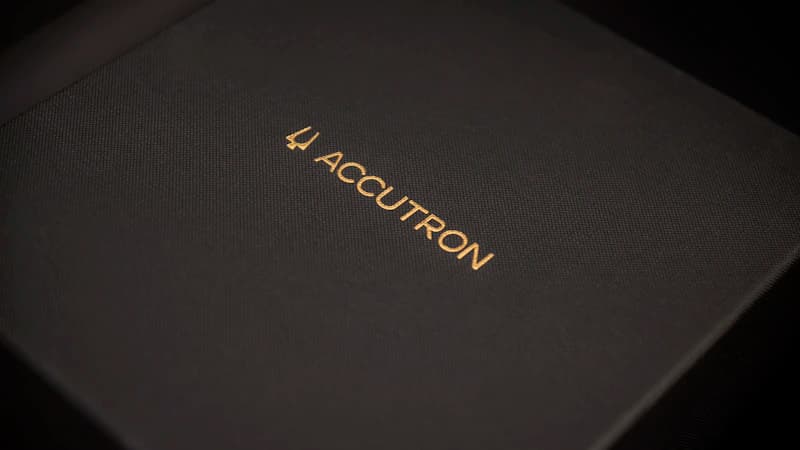
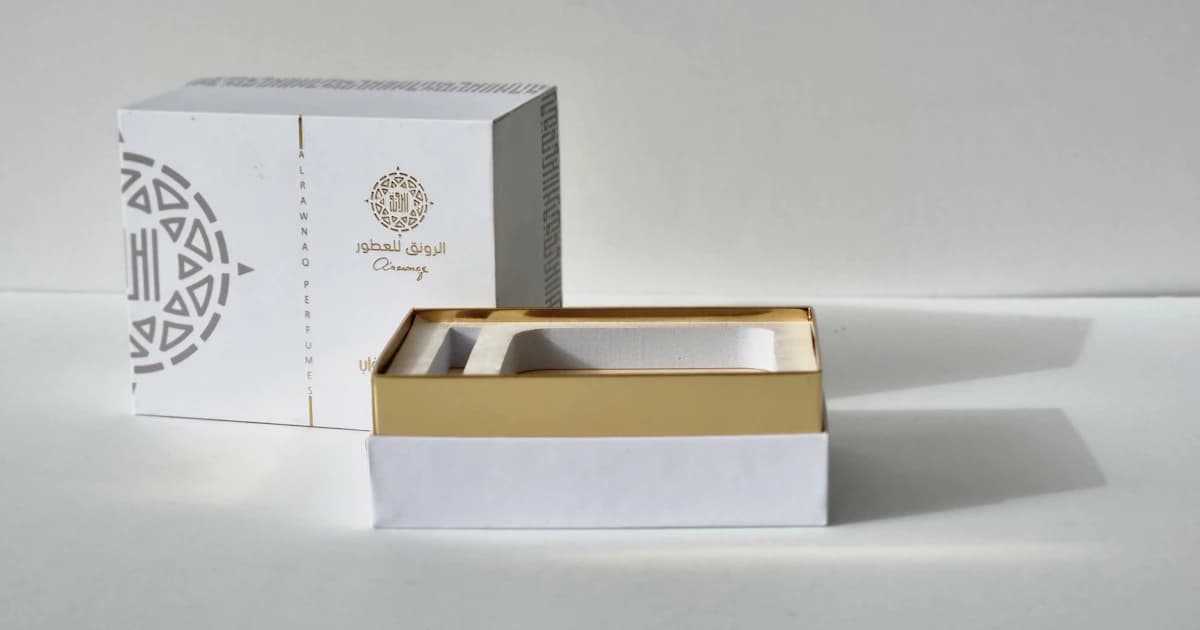
A rigid outer with foil-stamped Arabic wordmark is still the shorthand for premium on UAE fragrance shelves.
- •Primary bottle: usually flint or extra-flint glass, 30–100 ml, with a matching weighted cap. Crystal is reserved for flagship editions.
- •Inner cradle: EVA foam, flocked tray, or velour-lined insert that immobilises the bottle and absorbs shock.
- •Rigid outer carton: 1,200–2,000 gsm greyboard wrapped in art paper or fabric, usually with magnetic or book-style closure.
- •Secondary sleeve or shipper: the folding carton or corrugated mailer that protects the rigid box in transit and at point of sale.
💡 Key Insight
Match the bottle weight to the box
Materials & Finishes That Survive UAE Climate
Heat and humidity are the twin adversaries of perfume packaging in the Gulf. A foil that delaminates, a soft-touch coating that goes sticky, or a magnetic closure whose adhesive creeps in summer storage all end the same way — a customer return and a damaged launch. Pick finishes that are documented to hold at 50°C.
- •Hot foil stamping over a sealed substrate outperforms cold foil in Gulf humidity and keeps its edge after a year in retail.
- •UV-cured offset inks resist the colour-drift that solvent inks suffer under long shopfront exposure.
- •Heat-stable adhesives for magnet inserts prevent the “slumping” failure mode where the magnet migrates inside the board.
- •Matte soft-touch lamination is beautiful but vulnerable — specify a tropical-grade formulation or switch to soft-touch UV varnish.
🌡️ UAE Climate Tip
Spec summer storage, not launch week
Arabic Calligraphy & Cultural Design Codes
Oud is the dominant scent family in the UAE, and the design vocabulary around it has its own grammar. Flamboyant Diwani calligraphy signals heritage and craftsmanship; geometric Kufic reads as contemporary and architectural. The most successful UAE fragrance houses pair a Latin wordmark with an Arabic lockup that carries equal visual weight — not a translation afterthought.
On a rigid outer, Arabic script usually lives on the top face in hot-foil or blind deboss, with the Latin mark on the spine or side. Deboss is gentler on fine diacritical strokes than deep foil and is often the better choice when the scent name has small kashida connectors.
Refill Systems & Sustainability
Refill is no longer a niche feature in UAE fragrance retail. Regional houses like Ajmal and Rasasi have run in-store refill bars for years; premium international brands are catching up. A credible refill strategy changes what your packaging has to do — the outer carton becomes a keepsake, the bottle becomes a long-term object, and the refill itself needs its own transport pack.
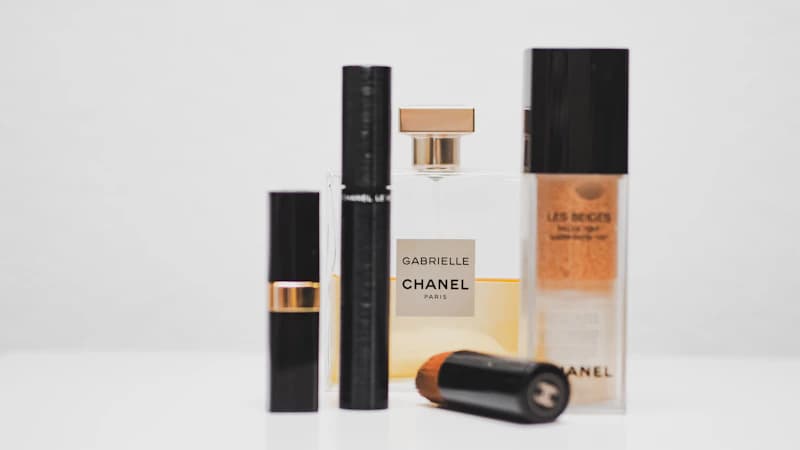
Refillable atomisers turn the bottle into a durable object — the rigid outer becomes a keepsake, not disposable.
Refill packaging needs three things:
- •A dedicated refill carton — usually a slim folding carton or pouch, clearly marked as a refill, that ships without an outer box.
- •A compatible bottle neck — either crimp-off or screw-off, validated with the filling partner before tooling is locked.
- •Clear refill instructions — a small insert card in both Arabic and English, because misfilled bottles drive complaints.
Authentication & Anti-Counterfeit
Counterfeit fragrance is a persistent issue in the region. An NFC tag embedded in the rigid outer, or under the base of the bottle, lets the customer tap a phone to confirm authenticity and unlock a brand film, a scent-notes page, or a loyalty flow. The tag itself costs a small amount; the value is brand trust, and a direct customer-data touchpoint you do not get from the retailer.
- •NFC chip — for tap-to-verify, with a unique serial and an optional one-time-read tamper flag.
- •QR code — a cheaper fallback, but scannable from a retailer shelf without opening the box.
- •Tamper-evident seal — an inner sticker with a destructive pattern that cannot be re-applied cleanly.
MOQs, Lead Times, and Cost Brackets
UAE brands usually run perfume packaging on two clocks: a short sampling cycle to lock the look, and a longer production cycle for launch. The numbers below are typical for a regionally-produced rigid outer with one inner cradle and one folding secondary carton.
Typical UAE fragrance packaging brackets:
- •MOQ: 500–1,000 units for a rigid outer; 3,000–5,000 for custom-tooled glass.
- •Samples: 5–10 working days for pre-production samples from approved artwork.
- •Production: 3–5 weeks for a rigid outer with foil and deboss; 8–12 weeks for custom bottle tooling.
- •Landed cost per unit: AED 12–45 for a regional rigid pack; AED 60+ for flagship editions with crystal, premium fabrics, or smart tags.
For a first launch, build 20% buffer into both MOQ and lead time. A refill or a bundling SKU discovered mid-campaign needs artwork, re-tooling, and a second production window that is easy to underestimate at the brief stage.
Launching a Fragrance in the UAE?
Habllen builds rigid outers, folding secondaries, and refill systems matched to UAE climate and retail conditions.
Habllen Team
Packaging Experts
Related Articles
Luxury Packaging Trends in 2026: What UAE Brands Need to Know
From smart NFC packaging to handwritten lettering — the trends shaping premium packaging in the Middle East.
March 10, 2026
Arabic Calligraphy in Packaging Design: Heritage, Typography, and UAE Brand Signals
Kufic, Naskh, Diwani, Thuluth — when each Arabic script works on packaging, how to set bilingual lockups, and which print techniques respect the letterform.
April 18, 2026
10 Jewelry Packaging Ideas That Elevate Your Brand
From velvet-lined rigid boxes to LED-lit displays — packaging ideas that make jewelry unforgettable.
February 15, 2026